
Hand tools meet semiconductors
Stand Tools did what few tool makers dared: develop hand tools that integrate nanotechnology, electronic engineering, semiconductors, mechanics and IC design. The result was the first universal digital torque wrench made in Taiwan.
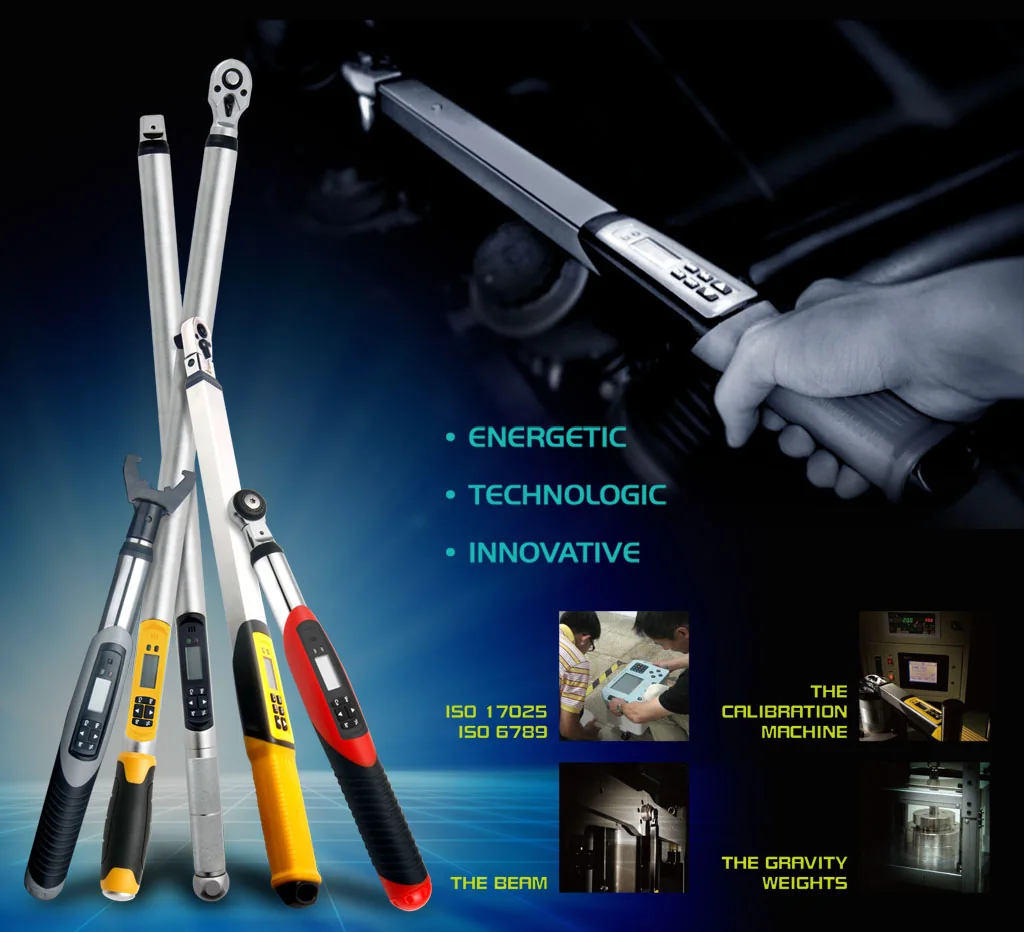
Three disciplines, one tool
Semiconductor technology
Taiwan has some of the world's best semiconductor manufacturing. We apply it to make all electronic parts, including the sensor, for greater accuracy, lower cost and shorter lead times.
Dedicated IC design
A special IC processes the sensor data with complex formulae to calculate the torque value and show it on the display — so anyone can read the exact torque.
Mechanical engineering
We analyse torque, shear-stress and pressure diagrams to design the best mechanical structure, making every wrench more comfortable and efficient to use.
Every DG®-II is calibrated and certified
We started building our professional laboratory in 2008. The lab director and staff are trained to follow ISO/IEC 17025, ISO 6789, local laws and related standards for all experiments, tests and calibrations. Each DG®-II digital torque wrench is inspected and delivered with its own certificate report.
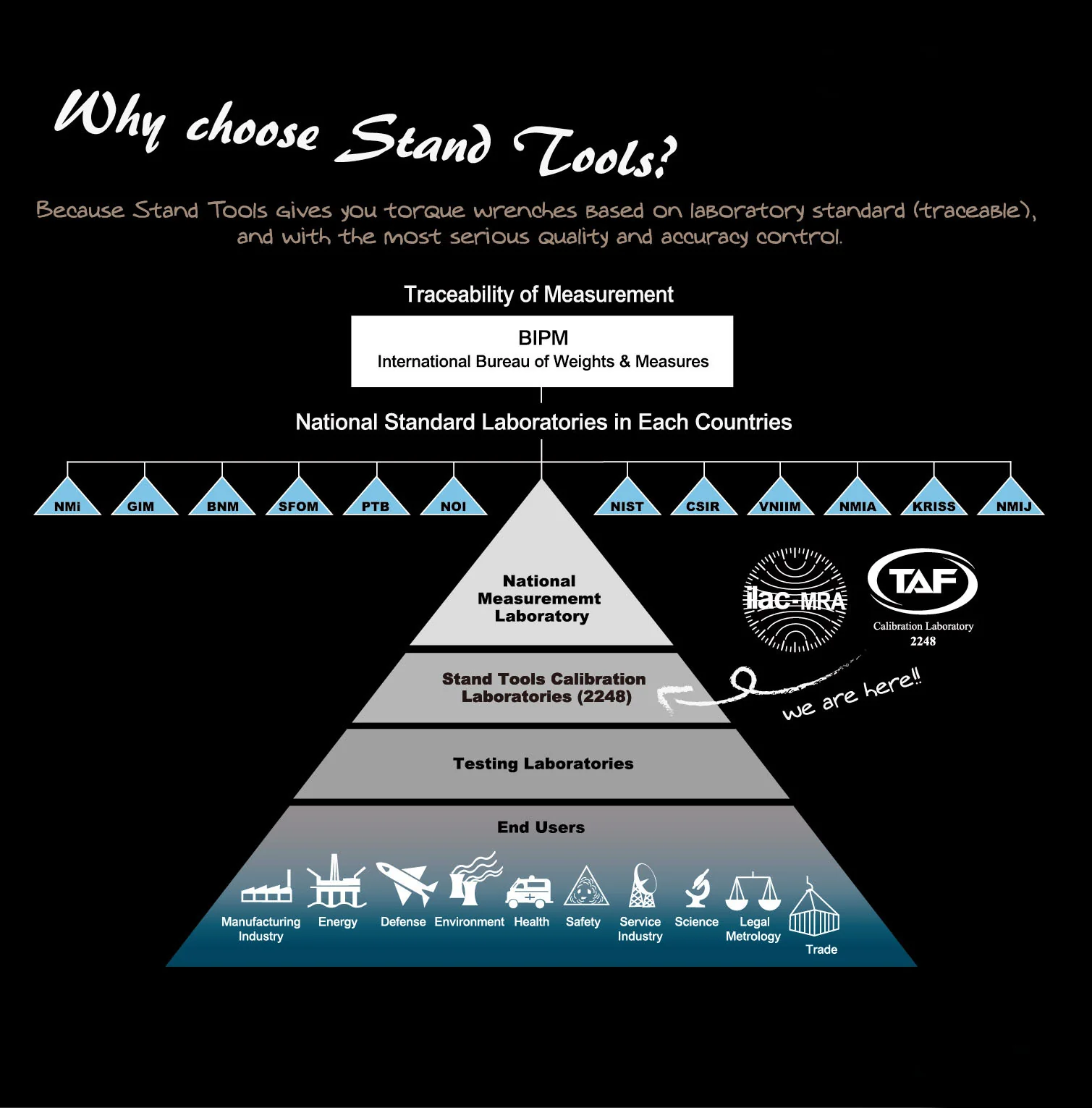
As a tool manufacturer, ours was the first torque calibration laboratory within Taiwan's tool industry, accredited by TAF as laboratory No. 2248.
Physics first, electronics second
Our reference is real force and a real lever arm — traceable up to national and international standards.
g — local gravity
Gravity is a critical parameter in calibrating torque tools. The gravity in our laboratory was measured at 978,821.964 mGal by Taiwan's National Science Council.
Gravity weights
From Newton's second law, F = m·g. To create a correct torque over a fixed length, we hang gravity weights (force) on the beam — not mass weights.
The beam
A beam loaded with gravity weights produces a stable, reliable torque that staff can see physically, without relying on an electronic display. We were the first in the industry to calibrate DG®-II this way.
Calibration machines
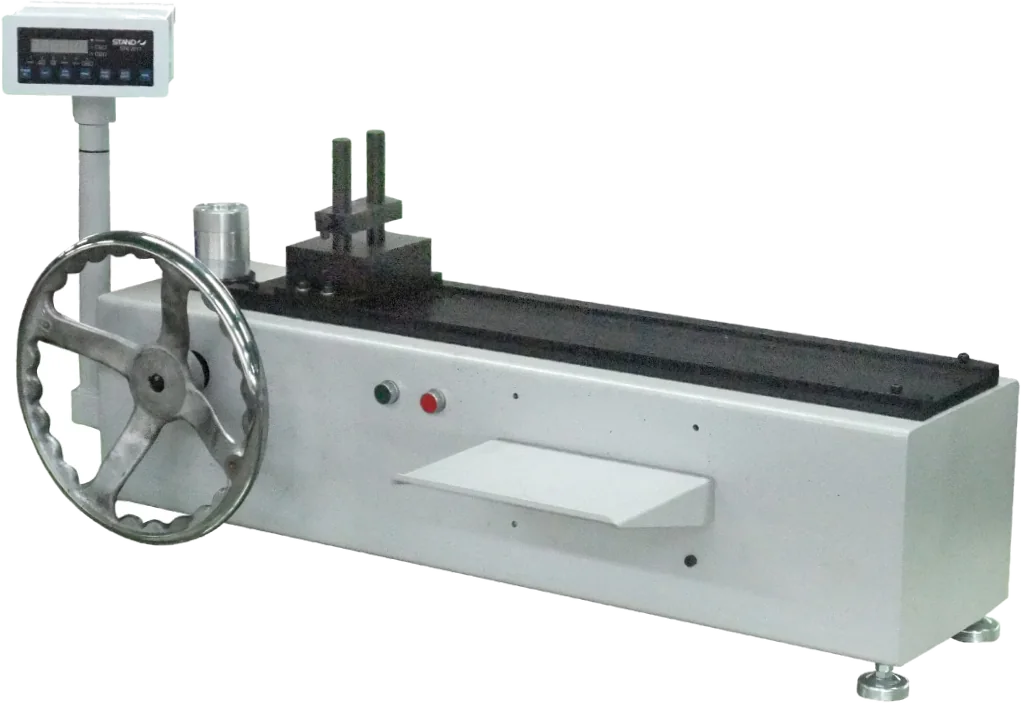
All our calibration machines are designed in-house from the basic principles of physics and approved by third-party laboratories. Results are recorded by computer for quality control of every wrench.
Talk to our torque specialists
Tell us your application, torque range and drive size — we will recommend the right model.